Affiliate disclosure: Chic Seed may earn a commission from some merchant links. Our recommendations remain independently edited and reader-first.
Soft lighting changes how a room feels and how easy it is to get ready.
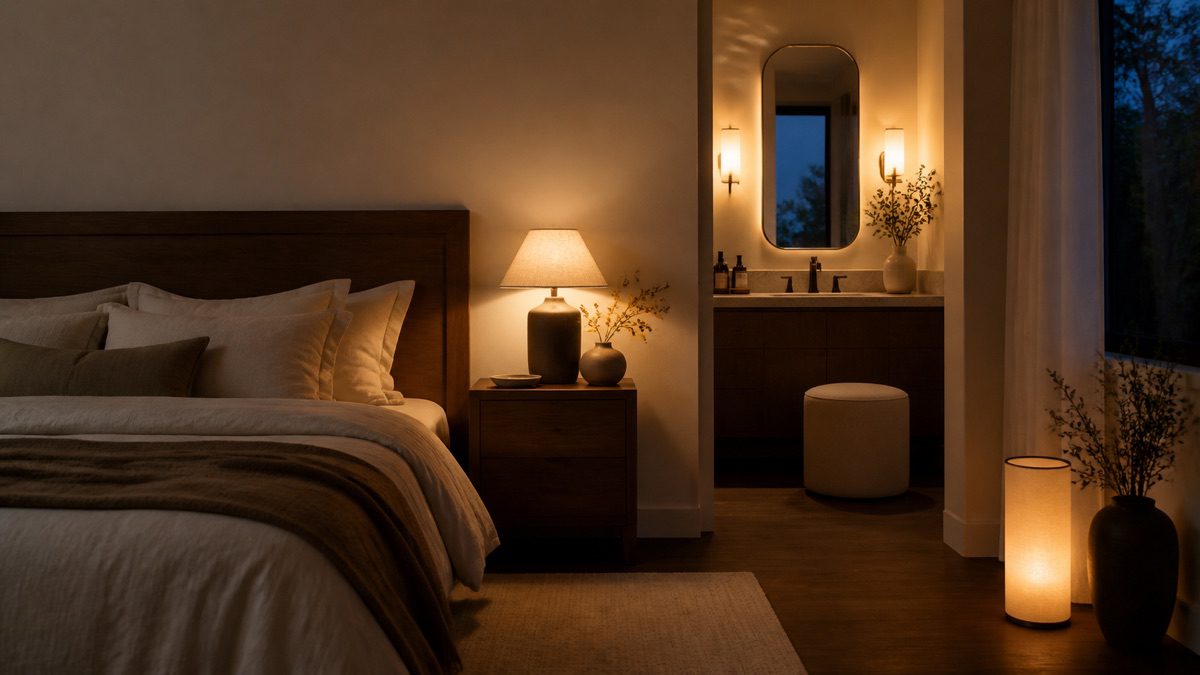
Bedrooms and vanities need different layers: ambient light, task light, and a warmer evening option.
Quick verdict
Use multiple gentle lights instead of one harsh overhead source.
What to look for
- fit: Check whether the recommendation works for the actual routine, not just for a photo or one special occasion.
- quality: Look for construction, materials, finish, care needs, or repeat-use signals that justify the price.
- value: The strongest option earns its space by being useful often enough to beat cheaper duplicates.
- maintenance: Care, storage, cleaning, battery life, or replacement parts matter more than most product pages admit.
- style: A good pick should blend into several outfits, rooms, schedules, or social situations without feeling forced.
Who this is for
Readers improving small bedrooms, rental apartments, or beauty corners.
Who should skip it
Skip decorative lamps that are too dim for makeup or reading.
Practical buying notes
Compare bulb temperature, shade diffusion, placement, cord visibility, and dimmer options.
Useful comparisons
- If you care most about lighting, choose the simpler option with fewer fragile details.
- If bedroom matters more, compare return policies and long-term upkeep before buying.
- If you are shopping for vanity, prioritize comfort and repeat use over trend language.
Editorial take
Lighting is one of the fastest ways to make ordinary rooms feel intentional.
FAQ
Is this a product ranking?
It is an editorial guide, not a paid ranking. We focus on use case, tradeoffs, and value signals.
How often should readers revisit this advice?
Revisit it when your routine changes, when a product category updates, or when an older item stops solving the job.
Layer light by task
A comfortable room usually needs more than one source. Ambient light supports general movement, bedside lighting supports reading, and vanity lighting helps with grooming. Separating these functions allows lower intensity in the evening without leaving important tasks underlit. Use switches or controls that are easy to reach from the doorway and bed.
Control glare before increasing brightness
Visible bare bulbs, reflective mirrors, and very small bright sources can feel harsh even when the room is technically dim. Linen or opal shades diffuse light, while fixtures placed near eye level need careful shielding. At a vanity, balanced light from both sides of the face generally creates fewer shadows than one strong source directly overhead.
Keep color temperature consistent
Mixing very warm and cool bulbs in the same view can make a room feel visually unsettled. Warm-white light is often comfortable in bedrooms, while accurate color rendering is useful near clothing and makeup. Product specifications vary, so compare bulbs in the actual room and keep replaceable bulbs in the same family when possible.
Plan for nighttime safety
A low, shielded path light can help movement without fully waking the room. Keep cords secured, fixtures away from bedding and water, and lamps on stable surfaces. Follow bulb wattage limits, manufacturer instructions, and local electrical requirements. Smart plugs and dimmers should be compatible with the fixture and bulb.
Lighting checklist
- Ambient, reading, and vanity tasks have separate sources.
- Bulbs are shielded from direct glare.
- Color temperature is consistent across the room.
- Controls are reachable where needed.
- Fixtures and cords meet safety requirements.
Related ChicSeed guides
Continue with these practical guides from the same topic area:
